
STAR 1 Xueersi teaching experience
Criterion: Curriculum Design, Technology, Student Communication and Classroom Management
Situation
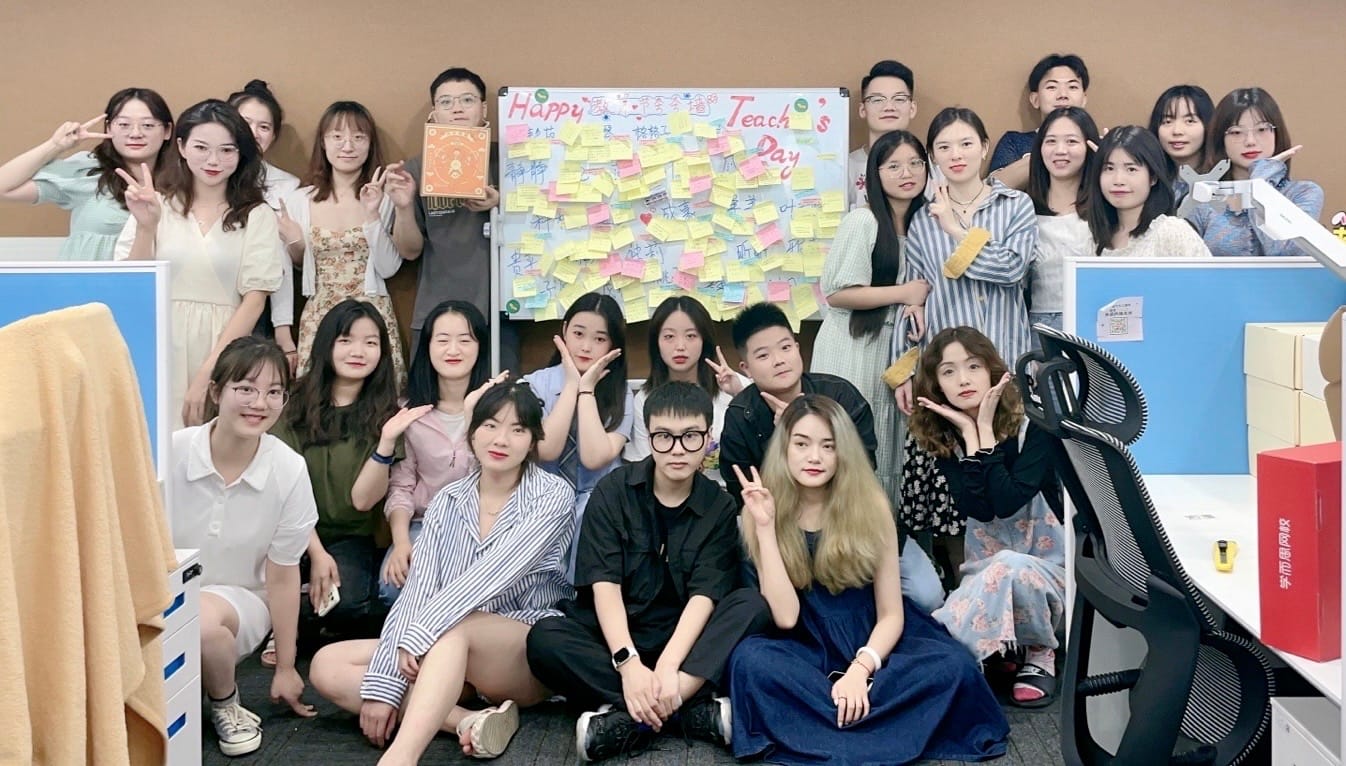
I used to teach PET course of Cambridge examination on online English platform of Xueersi. The students are middle school students from all over China with obvious difference in level. This course focuses on exam preparation and considers the improvement of students' listening, speaking, reading and writing ability. Students have very clear goals, but their language foundation is not uniform, and their learning styles are quite different, so some students are difficult to concentrate their attention.
Task
On this basis, I need to develop a teaching plan that can take into account different learning styles and foundations and ensure that students have a good sense of class participation and learning experience through appropriate communication with students and parents and classroom strategies.
Action
Since it is an online platform, I split the content of the course modularized, combined with images, logic, hearing and other input methods for teaching, and adopted different methods for different students. At the same time, I will use the teaching platform to set up the question-and-answer points mechanism in the course to stimulate students' participation and encourage students to express themselves through positive feedback. In terms of behaviour management, I conducted random grouping and let students evaluate each other, to form a positive interactive environment among students.
Result
The students' participation in the class improved significantly, and students reported that the knowledge was easier to understand and more fun to learn. Later, my teaching plan was recommended by the teaching and research team and shared with other teachers. Therefore, good teaching design should be student-oriented and integrate multiple abilities of interpersonal communication and classroom regulation.
Star 2 Volunteer teaching experience
Criterion: Inclusive teaching, technology, collaboration and community engagement
Situation
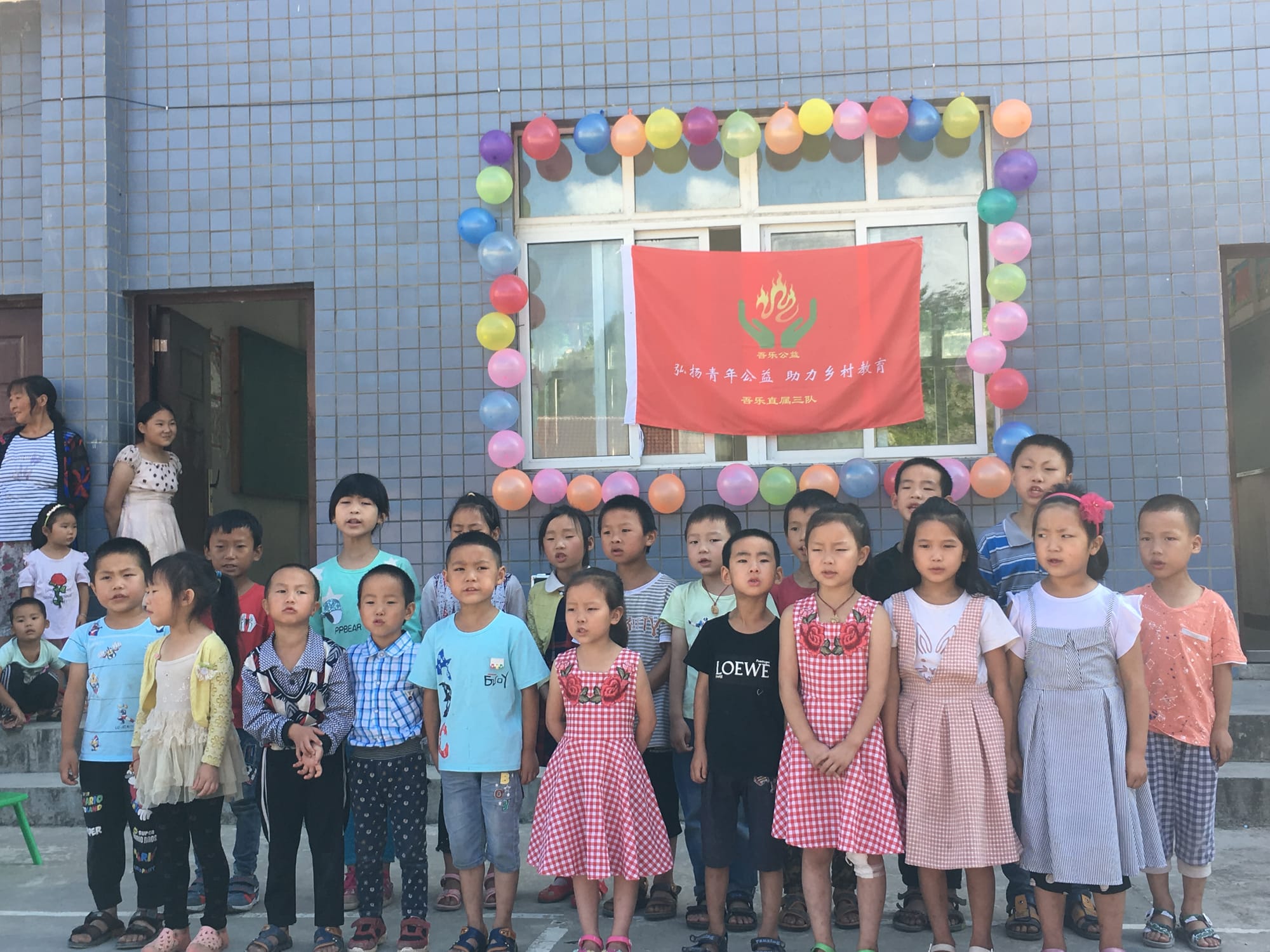
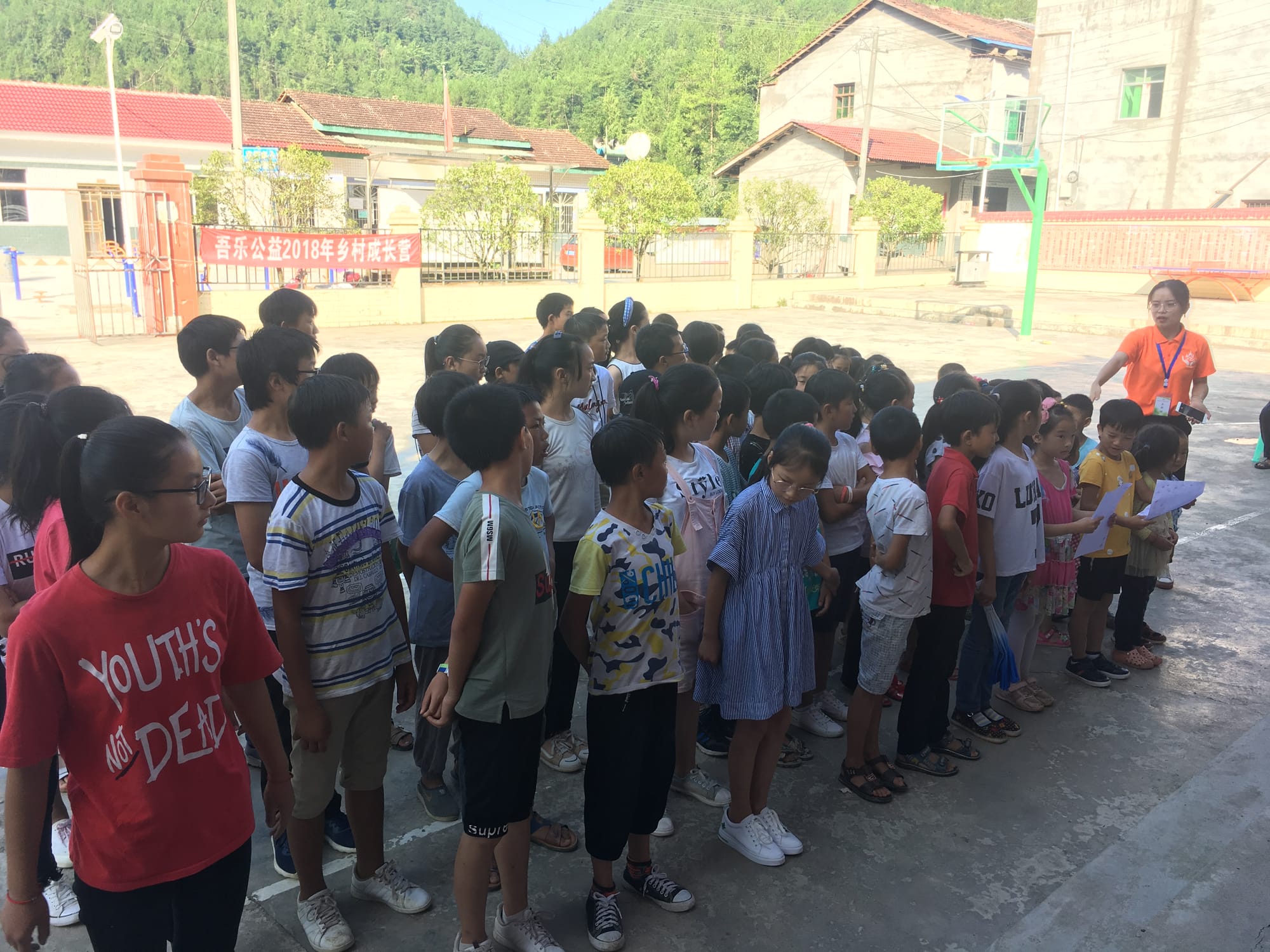
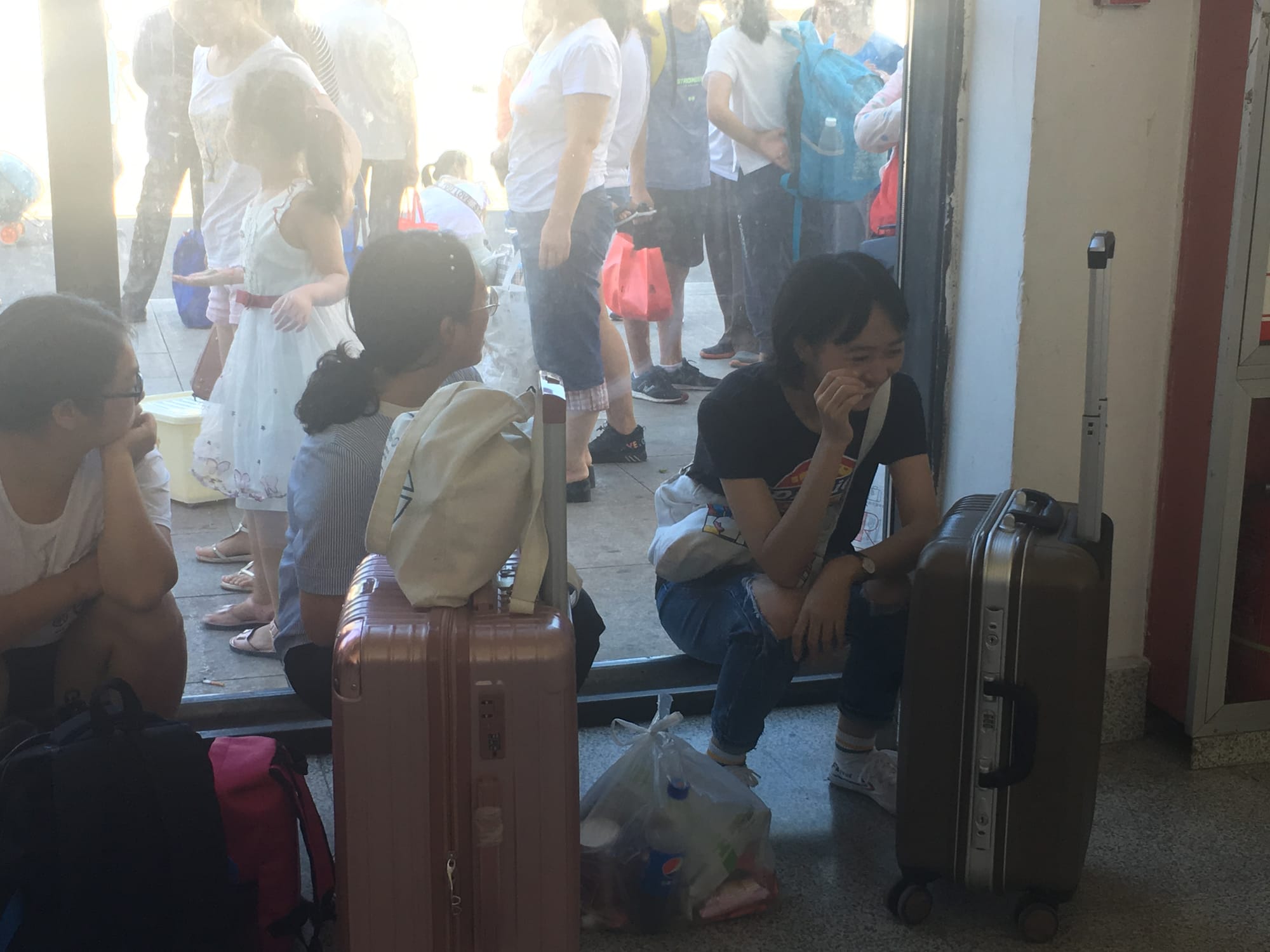
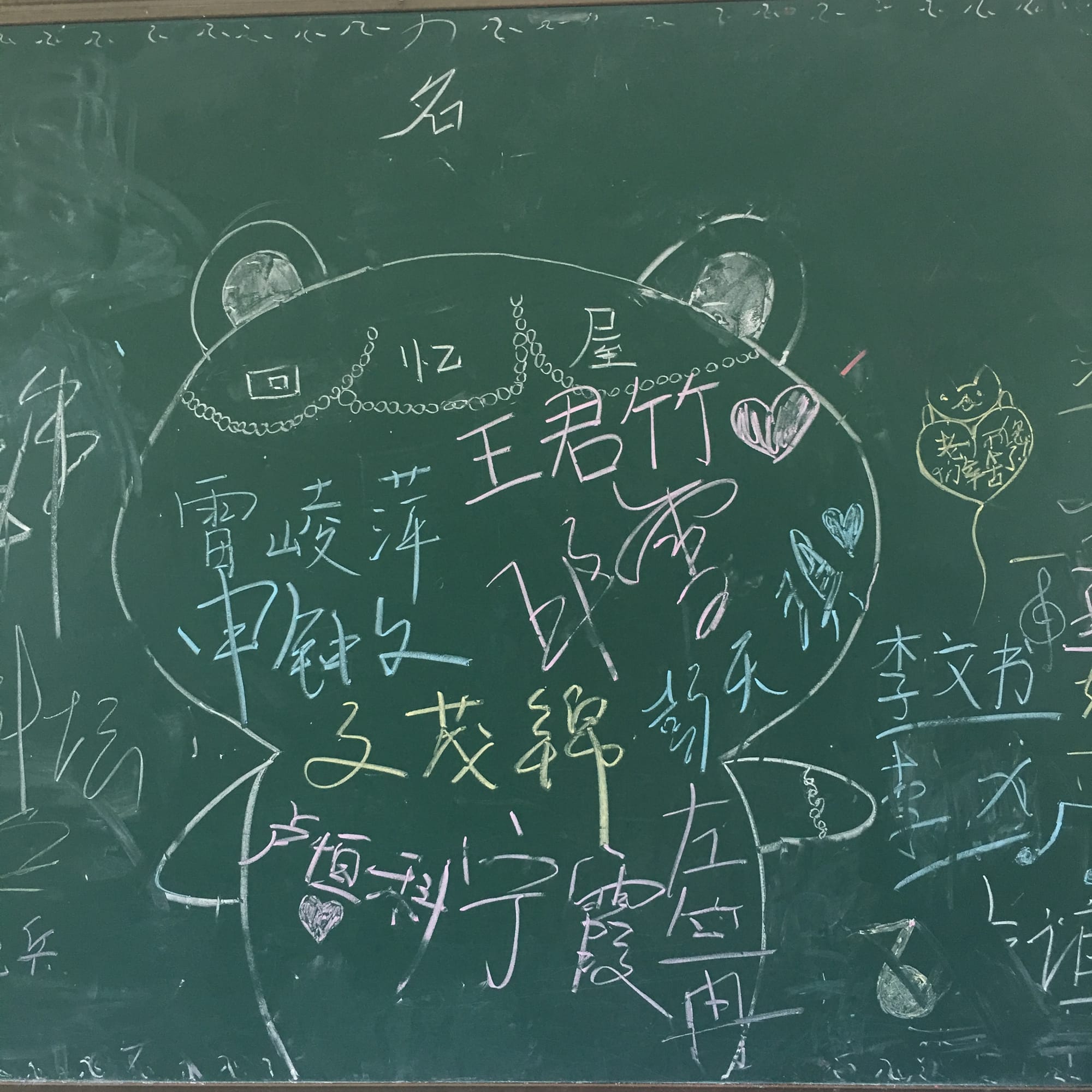
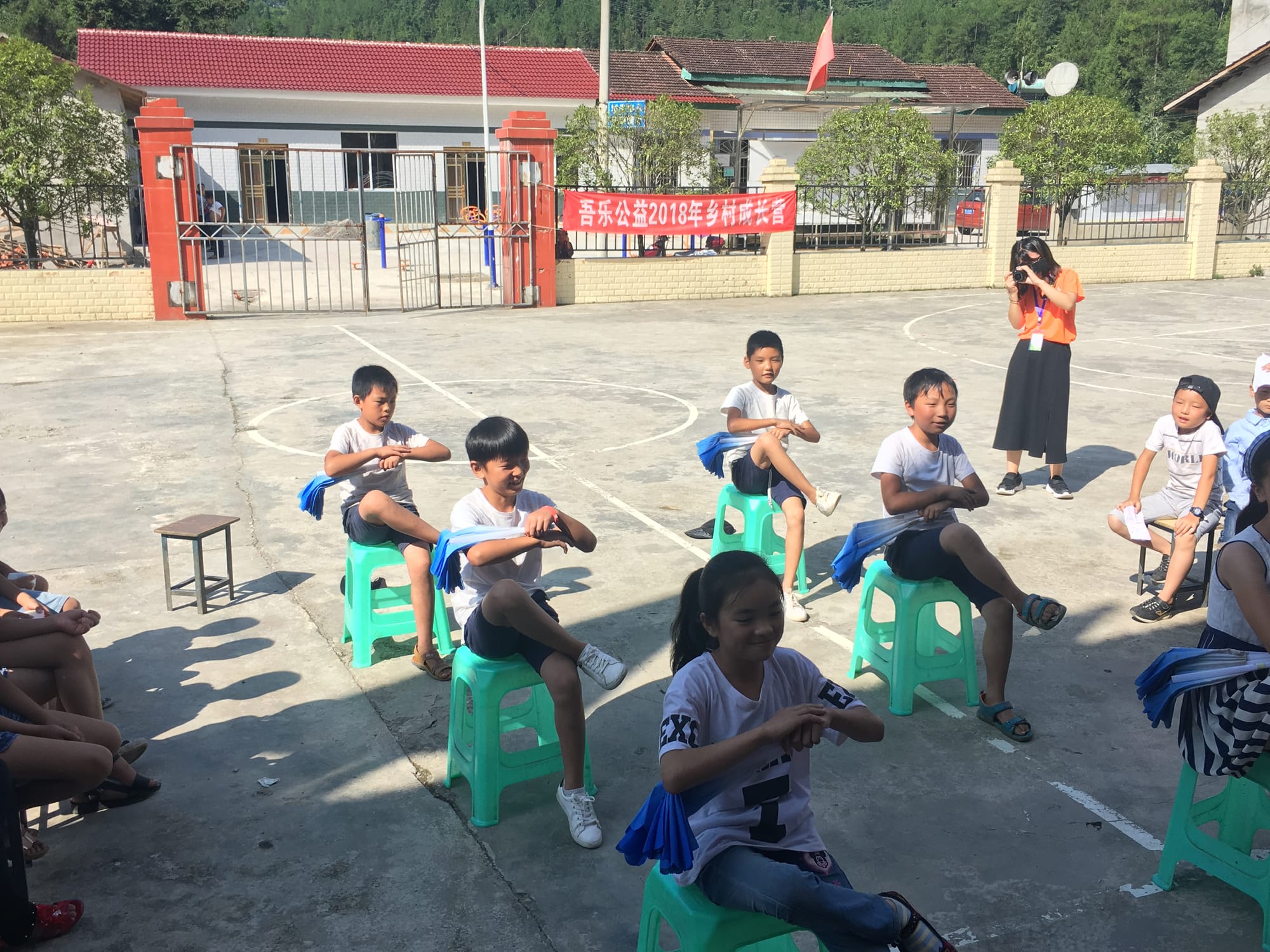
In July 2018, I was a volunteer teacher in a three-district primary school in Wanyuan City, Sichuan Province. The conditions here were very simple. The students did not have regular teaching materials, and they did not learn English systematically.
Task
I need to design English courses for students of different abilities with few resources, stimulate their interest in English learning, and establish a supportive classroom environment at the same time.
Action
In this case, I designed the teaching activities based on listening and speaking, made self-made word cards for students, and let them play the game of word flipping in class, as well as some simple situational dialogue performances, so that students can express themselves freely without pressure by repeating sentence patterns. In addition, after communicating with the principal of the local primary school, my friends and I also organized a class activity for parents, invited parents to listen to the class and had simple interaction and communication, which enhanced the recognition and support of the whole community for English learning. Because of the particularity of the area, we also conduct family visits after class.
Result
Students who used to be shy begin to express themselves proactively and can introduce their favourite objects or interests in simple English. The principal says the English program is what the children look forward to most, and parents throughout the community have begun to encourage their children to practice English after class. This experience made me realize that the core of education is inclusion and connection, regardless of the number of resources.